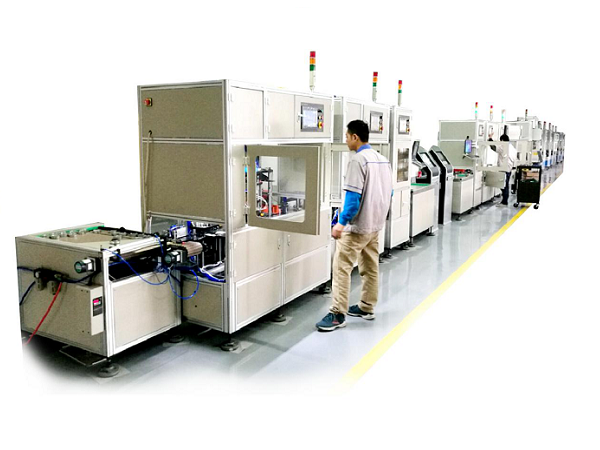
Do You Know the Working Principle and Test Methods of Bearing Testing Machines?
Bearings are crucial components in mechanical systems, and their proper operation is vital to the overall performance of the system. Bearing testing machines are valuable tools used to evaluate the performance of bearings under various operating conditions. So, do you know the working principle and test methods of bearing testing machines? Below, the editorial team from Kaiyuan will explain them to you~
I. Working Principle of Bearing Testing Machines
Bearing testing machines operate by subjecting bearings to various loads, speeds, and environmental conditions while measuring their performance. This involves applying loads or rotating the bearings and using a variety of sensors—such as accelerometers, strain gauges, and speed sensors—to collect performance data. The data gathered by the sensors is then processed and analyzed to assess the bearing's performance.
Fundamentally, bearing testing machines are based on the principle of simulating real-world operating conditions and measuring how bearings perform under those circumstances. The test results provide valuable insights into the bearing's ability to operate as intended and can help identify potential issues before they escalate into serious problems.
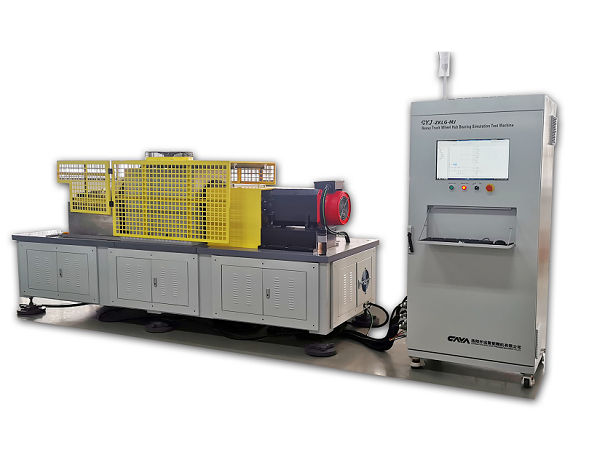
II. Test Methods of Bearing Testing Machines
- Load Testing
Involves applying loads to the bearing and measuring its response. Loads can be applied in different directions to simulate various operating conditions. Load testing provides information about the bearing's load-carrying capacity, as well as its resistance to wear and fatigue.
- Speed Testing
Entails rotating the bearing at different speeds and measuring its performance. The results of speed testing offer insights into the bearing's ability to withstand high speeds and its performance under varying operating conditions.
- Noise Testing
Involves measuring the noise generated by the bearing during operation. An increase in noise levels may indicate bearing faults, such as internal damage or misalignment.
- Durability Testing
Requires operating the bearing under a specific load for a designated period. The purpose of durability testing is to determine the bearing's ability to withstand repeated loading and unloading cycles.
- Fatigue Testing
Involves applying repeated load cycles to the bearing to assess its resistance to fatigue and fracture.
- Lubrication Testing
Evaluates the bearing's performance with different types of lubricants and under various operating conditions. The results provide information about the bearing's performance and the effectiveness of the lubricant in reducing wear and friction.
- Corrosion Testing
Exposes the bearing to various environmental conditions, such as temperature and humidity, to determine its corrosion resistance.
- Environmental Testing
Subjects the bearing to a range of environmental conditions, such as temperature and humidity, to assess its ability to withstand extreme conditions while maintaining performance.
In summary, test results can provide important information about a bearing's load-carrying capacity, speed capability, and overall performance. Regularly testing bearings helps detect potential issues early, enabling timely maintenance and repairs to keep the system running smoothly. The above covers the working principle and test methods of bearing testing machines. We hope this is helpful to you!
Kaiyuan Intelligence focuses on the R&D and production of products such as intelligent detection and assembly of auto parts and bearings, MES system integration (including SPC process control), various simulation/durability test equipment, and high-precision testing instruments. We provide customized intelligent manufacturing system solutions for different industries, and we are committed to fulfilling your needs with a dedicated attitude and professional technology.
Detection Methods and Precautions for Bearing Testing Machines
What Are the Measuring Methods of Bearing Testing Machines? Will Errors Occur During Measurement?
Related Article