Components and Characteristics of Automotive Release Bearing Test Equipment
Components and Characteristics of Automotive Release Bearing Test Equipment
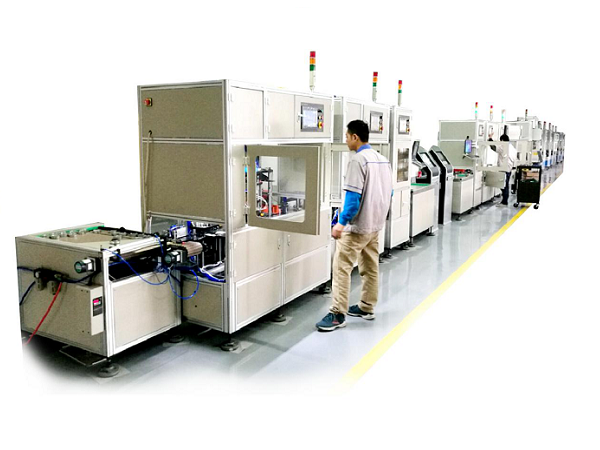
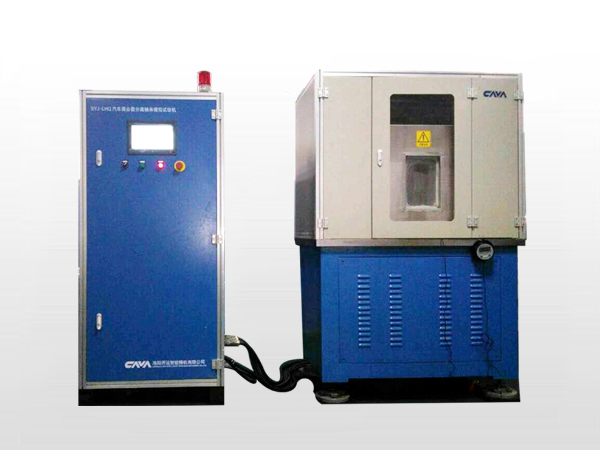
Automotive release bearing test equipment, also known as automotive clutch bearing test equipment, is a type of bearing testing machine specifically designed to test the performance of automotive clutch bearings. It can conduct simulated performance tests on clutch bearings to comprehensively evaluate bearing quality. Below, Kaiyuan’s editor will detail the components and characteristics of automotive release bearing test equipment to help you gain a deeper understanding of this bearing test equipment.
I. Components of Automotive Release Bearing Test Equipment
The automotive release bearing test equipment adopts an industrial control computer for automatic measurement and monitoring. Through modular design, it realizes multiple functional tests and is equipped with complete functions such as data setting, storage and printing, alarm, and graph tracking. It can conduct simulated tests on key parameters of automotive clutch release bearings, including load, displacement, engagement/disengagement frequency, speed, and temperature. In accordance with bearing test specifications, the noise tests, high-speed tests, and performance tests conducted by this testing machine have accumulated up to 220,000 times. The overall performance of the equipment is stable, reliable, and operates well.
The composition of the automotive release bearing test equipment includes:
The electrical control and testing system uses an industrial computer as the host, consisting of a frequency conversion speed regulation system, an electro-hydraulic proportional speed control system, a thyristor heating system, and a testing system.
II. Characteristics of Automotive Release Bearing Test Equipment
- Stable Performance: The automotive release bearing testing machine adopts an all-digital modular structure, featuring stable performance, low failure rate, high integration, and rigorous protection. In case of faults or abnormal input commands, it will block pulses and cut off the main power supply to reduce failure rates.
- Simple Debugging: Debugging mainly involves hardware debugging and software debugging. Hardware debugging can be performed through potentiometers on the panel, while software debugging only requires accessing the human-machine interface to adjust various parameters.
- Easy Troubleshooting: When the equipment shuts down due to faults, the human-machine interface can be used to calibrate signals and parameters via buttons, providing convenience for maintenance and troubleshooting.
The above is the introduction to the components and characteristics of automotive release bearing test equipment. We hope it will be helpful to you. In addition, Kaiyuan Intelligent has rich experience in the R&D and production of bearing testing machines. If you have needs, please feel free to call for consultation.
What Is Bearing Life? How to Conduct Bearing Life Testing?
Types and Directions of Bearing Testing Machines
Related Article