What Types of Bearing Faults Can Be Detected by Bearing Testing Machines? Fault Detection and Analysis
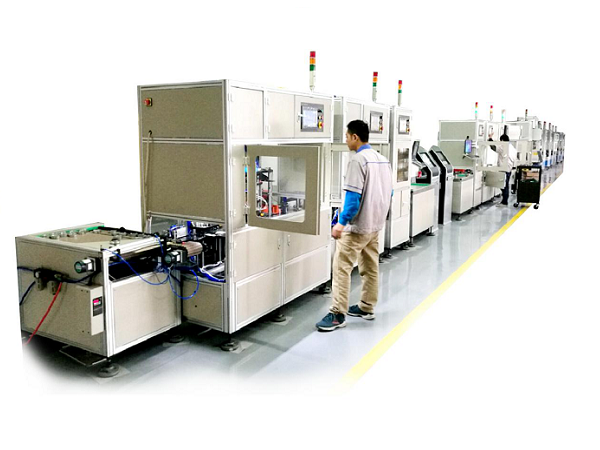
Bearing assembly and testing equipment is used to inspect various types of bearings for faults. How can we determine bearing abnormalities through bearing testing machines? The editorial team from Kaiyuan has compiled information on the types of bearing faults detectable by these machines, helping you better understand their detection scope.
Fault Detection and Analysis with Bearing Testing Machines
1. Temperature Characteristic Analysis
Bearing defects and lubrication issues are common causes of elevated bearing temperatures. If a bearing defect has already formed, it typically indicates the mid-to-late stage of a fault. When analyzing temperature characteristics, the temperature rise (rather than just the absolute temperature value) is the key indicator. Notably, sudden increases in temperature and vibration—especially at high frequencies—may stem from lubrication problems rather than inherent bearing defects. To differentiate: Apply new lubricating grease and observe the vibration response. If vibration returns to normal afterward, the issue is lubrication-related; if vibration reverts to the previous high level within hours or more, a bearing defect is likely present.
2. Vibration Characteristic Analysis
Due to manufacturing variations, some newly installed bearings exhibit characteristic frequencies of specific components. Leveraging the properties of high-frequency bearing vibrations—rapid attenuation and poor transmission—bearing testing equipment manufacturers can measure the speed and acceleration amplitude of each bearing. The characteristic frequencies of the inner and outer rings are most commonly detected, resulting in relatively high speed values. Faulty bearings show significantly greater amplitude values compared to normal ones, particularly in acceleration amplitude (differences ranging from several to dozens of times). However, these amplitudes do not increase over time; in some cases, they gradually decrease with operation. Such conditions do not affect the normal use of the bearing, but this only applies to newly installed units.
3. Noise Characteristic Analysis
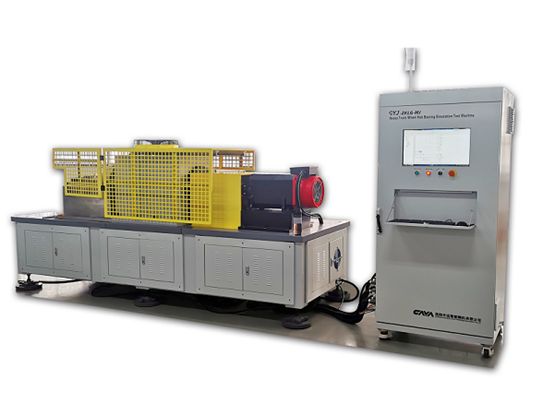
A sharp, single-tone noise is often caused by localized faults. Bearing assembly and testing equipment can detect such issues, which typically do not lead to temperature increases. Bearing defects are usually accompanied by distinct noises—each type of fault produces a unique sound—allowing sufficient time to schedule maintenance. However, if the noise is accompanied by other irregular sounds, it indicates severe friction, often with a noticeable temperature rise, and the bearing must be replaced immediately. Intermittent abnormal noise is generally caused by surface defects on rolling elements. As the rolling elements rotate, the defective surface may not align with the load-bearing area at all times, resulting in intermittent noise.
Have you gained a clear understanding of the bearing faults detectable by bearing testing machines? These are the key methods for identifying bearing issues using assembly and testing equipment. For further questions, please feel free to contact us via phone or message.
What Are the Stamping Process Standards for Bearing Assembly Lines?
Detection Methods and Precautions for Bearing Testing Machines
Related Article